
It’s no secret I read the Bible differently than most people I know. In fact, I took a long break from reading the Bible at all. It took awhile for me to stomach it again and then slowly learn to draw encouragement from it again.
It took seeing sacrificial atonement theology in the Christ story in a new way, developing a deep understanding of what salvation means to me, embracing the utter lack of separation between me and God’dess – and moving steadily into what all of that means. When I do read the Bible, I’m delighted when I read familiar stories and they are illuminated in a new and living way for me.
This happened today after I listened to a reflection by poet and cancer warrior Andrea Gibson who released a video describing the idea that the hardships in life are chosen by us before we are born according to what will fully and intentionally develop our spirit.
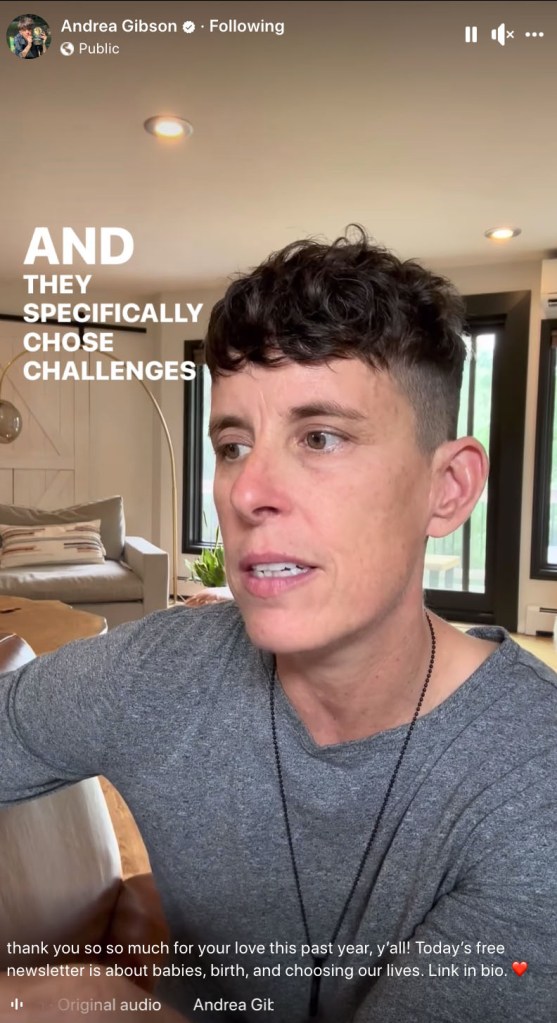
It’s a bit of a mind-bendy concept, but it resonated with me.
Then I was reminded of the verse in Jeremiah 29:11, which says “‘For I know the plans I have for you,’ declares the Lord, ‘plans to prosper you and not to harm you, plans to give you hope and a future.'”
And since I no longer believe there is separation between my self and God, I heard it in a new way. Something like, “For I knew the hardships available ahead of time and chose them tenderly and strategically. Plans that would help me grow into a wholehearted, loved and loving individual, with the skills and opportunities to create a good life for myself and contribute to a better future for myself and others to come.”
Of course, I’m against proof texting and twisting scripture to your own meaning for one’s own self protection or brandishing against others. And context is important. I’m not here to preach about this verse. You can read what seems to be a sound explanation of the verse HERE.
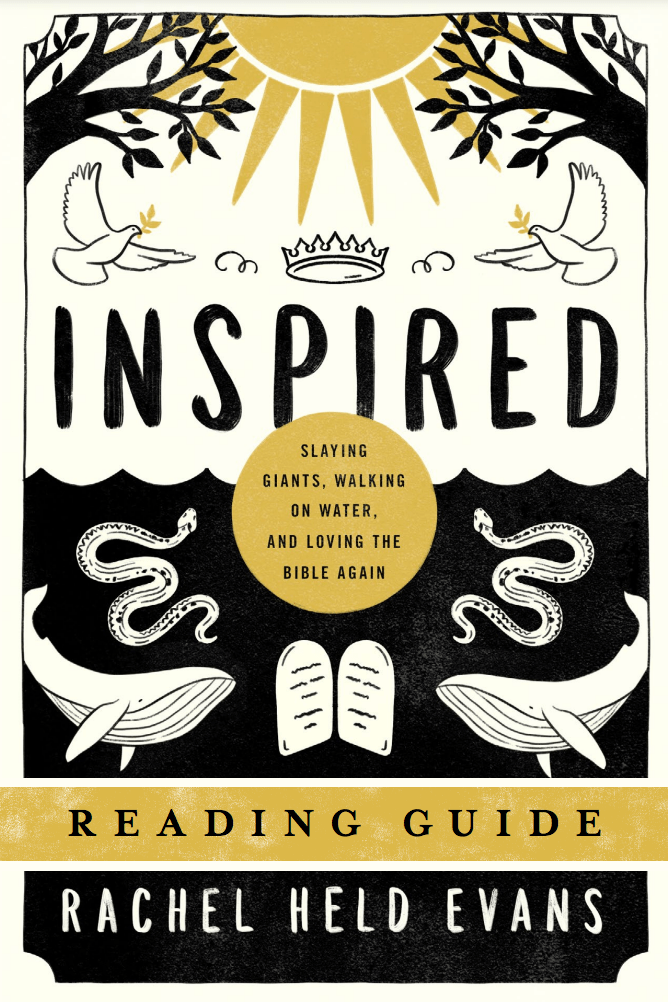
Rather, this type of imagining Scripture doesn’t intend to add or take away from what is written in any way. It’s what came alive in my spirit for me when interacting with those words and the creative concept that sparked in my imagination after listening to Gibson. It’s a type of “midrash” and I’ll never miss an opportunity to link to something awesome by Rachel Held Evans, so CLICK HERE or on the book cover photo and you can take a peek at these first few pages of her guide to her book Inspired which gives a brief and lovely peek into how to incorporate midrash, lectio divina, and the Ignatian Method of engaging Scripture.
All three of these methods have become important to me over the past few years as they seemed to welcome me into the process of reading the Bible, rather than having it fed down to me as was more customary in my religious tradition. I’ve learned that my thoughts and feelings around Scripture aren’t bad, but are to be welcomed and explored. In fact, that is where the conversation happens for me.
As young evangelical Mennonites, when we were taught to spend time with God, listening to His Voice, we were taught to sit in a form of silent meditation (not to be confused with other definitions of meditation), pray a bit (say something to God), then read the Bible or devotional reflection, and pray again, maybe journal a bit, maybe listen to music. I’m thankful for the few times we were encouraged to spend time in nature as part of this process.
But if you came back and actually said you heard God’s voice during this process, you would be questioned, with scrutiny, interrogated. Not that it was impossible, but my denominational leaders cautioned away from the belief that persons would actually hear an audible voice from God. Even if you didn’t claim it was an audible voice, declaring that you heard from God or had interacted directly with God was met with cautious skepticism. This caution was, now that I think of it, rooted in fear somehow.
Without resentment in any way, I wonder, how could religious leaders encourage and train people to listen for God’s voice and then doubt it when you told them you heard it?
Two ideas come to mind: that they were afraid of losing control of the message and that they themselves did not often, or ever, hear the voice of God.
As a good and cautious Mennonite girl, I did not audibly hear the voice of God. But no leader’s teaching could prevent me from learning to think about a concept in way I had never thought about it before, encountering a sense of inexplicable emotional peace at times, or experiencing a full-body sense of heartbreak, desolation, love, wonder, or euphoric joy. Cognitive insight and revelations, an alive and tended-to heart, and a connection to my physical experience in the world were always there, always ebbing and flowing, waxing and waning in my awareness as they do.
Did some of these experiences come from the type of listening to God that I was taught? I’m going to say, no. I don’t think we ever can manufacture a spiritual experience by following a series of prescribed steps, no matter which religious practice you follow. God isn’t containable and isn’t controllable and doesn’t fit into our understanding or our ‘how to’s’ or our cautious best practices that are full of well-meaning.
The type of narrow communication framework I had for practicing the presence of God was primed and ready to welcome new methods by the time I began to deconstruct what I’d been taught.

Imagination and creativity are now fully part of my spiritual practices. It’s not every day I’m tempted to re-write the Bible – fan fiction/Rachel Held Evans style. But when I do feel a new understanding stirring, or feeling the pull of intrigue and having fun with the religious text, or feel resistance to a certain story or interpretation, I know these feelings all as invitation to a conversation with Something greater than my self.
I think part of what those resistant to deconstruction are against when it comes to the openness of this type of relationship with God is the warranted concern of practicing spirituality in the bubble of your own awareness alone. Knowing one’s self and their own unique experience of God is a gift that stands on its own. And we are also creatures built for connection and community. Changing our approach to the Bible, shifting various long-held theological understandings, and learning new ways to “be a Christian” can be scary, especially if we are among the first in our social groups to do so.
“It’s dangerous to go alone! Take this,” is a quote from Nintendo’s The Legend of Zelda video game, spoken by a wizened old man who gives the main character a sword to aid his quest. I am always reminded of this weird lil’ dude when I think of the sword of the spirit mentioned in Ephesians 6, which represents the Word of God. I’ve said it before, I do not think the Word of God is necessarily meant to reflect the Bible and I write about that HERE. I also have learned to become comfortable challenging war metaphor in the Bible and supplying for myself the context of what the passage is conveying without it.

Even if the Word of God in Ephesians 6 means the presence/essence of God or the Bible, I don’t care in this case. It’s a hard world out there and suffering is real and there are some good spiritual tools available to you. The best tools are the ones that build a firm foundation for your understanding of yourself and your reason for being.
If you are a spiritual person, how do you feel closest to God? How do you learn about God best and interact with God in a way that is meaningful to you? Are you the only one you know who feels comfortable reaching out to God through poetry, forest-bathing, art, centering prayer or meditation?
How about fan-fictioning the Bible and writing cheeky blog posts? No? Just me then? jk
Readers, I hope you find a breadcrumb, a next step to help you on your journey and hopefully a community where you are learning and growing. If you have any questions about deconstructing, feel free to reach out.
 The Prairie Thistle